Dispatches for the curious. Stuff that's neat.
Section: Space and science news
Friday, October 23, 2026

Why Bennu's boulders don't hold heat: they're full of cracks

Posted by Captain Queso on Friday October 23, 2026 @3:24AM in Space and science news
from the it's-not-the-heat-it's-the-fractures dept.
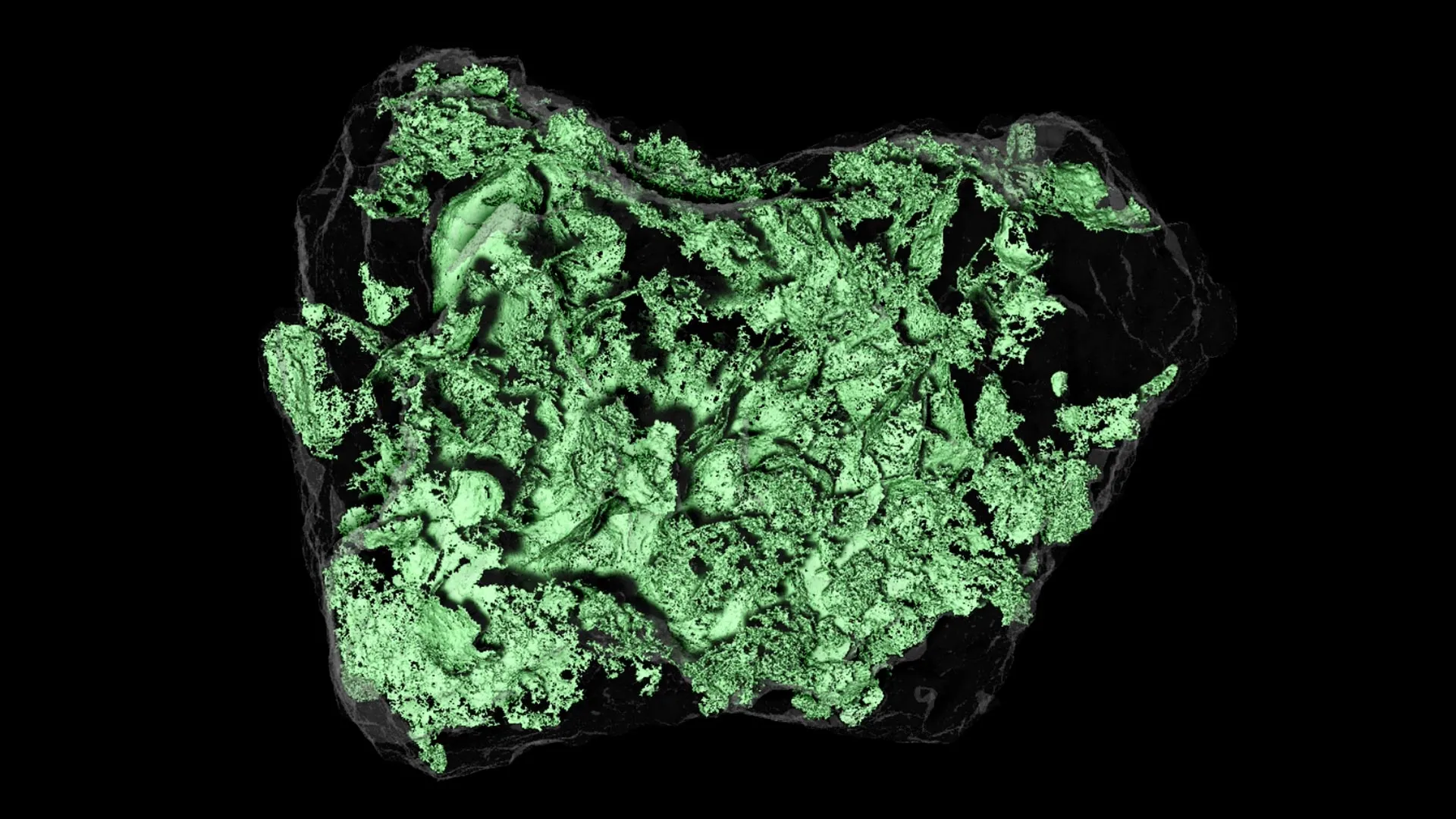
OSIRIS-REx brought back pieces of Bennu, and now the lab has explained a long-standing puzzle from orbit. It is a good example of sample return earning its keep: you can measure a rock from a spacecraft, but you need it on a bench to see why it behaves the way it does.

Researchers led from the University of Arizona, working with NASA Johnson and Nagoya University, scanned returned Bennu particles with X-ray CT and thermal imaging. Networks of internal cracks, along with porosity, explain why the asteroid's surface sheds heat so quickly, and simulations built from the scans match what the spacecraft measured. The study appeared in Nature Communications.
Read the rest of this story (ScienceDaily (University of Arizona))
Flight Software Workshop 2027: JPL hosts, abstracts due 4 December

Posted by Captain Queso on Friday October 23, 2026 @2:50AM in Space and science news
from the no-ITAR-in-the-slides dept.

The one conference where the people who write the code that keeps spacecraft alive compare notes, and the talks go up on YouTube afterwards for the rest of us. Registration just opened and the call for abstracts is live, so if a kernel person ever wanted an excuse to talk to the JPL crowd, this is it.

The 20th workshop on spacecraft flight software runs 22 to 25 March 2027 at Caltech's Ramo Auditorium, hosted by JPL with Aerospace Corporation, SwRI, NASA Goddard and APL. It is talks only, no papers; abstracts of up to 400 words are due 4 December 2026, and themes include architectures, resilience, space networking, DevOps and onboard AI.
Read the rest of this story (Flight Software Workshop)

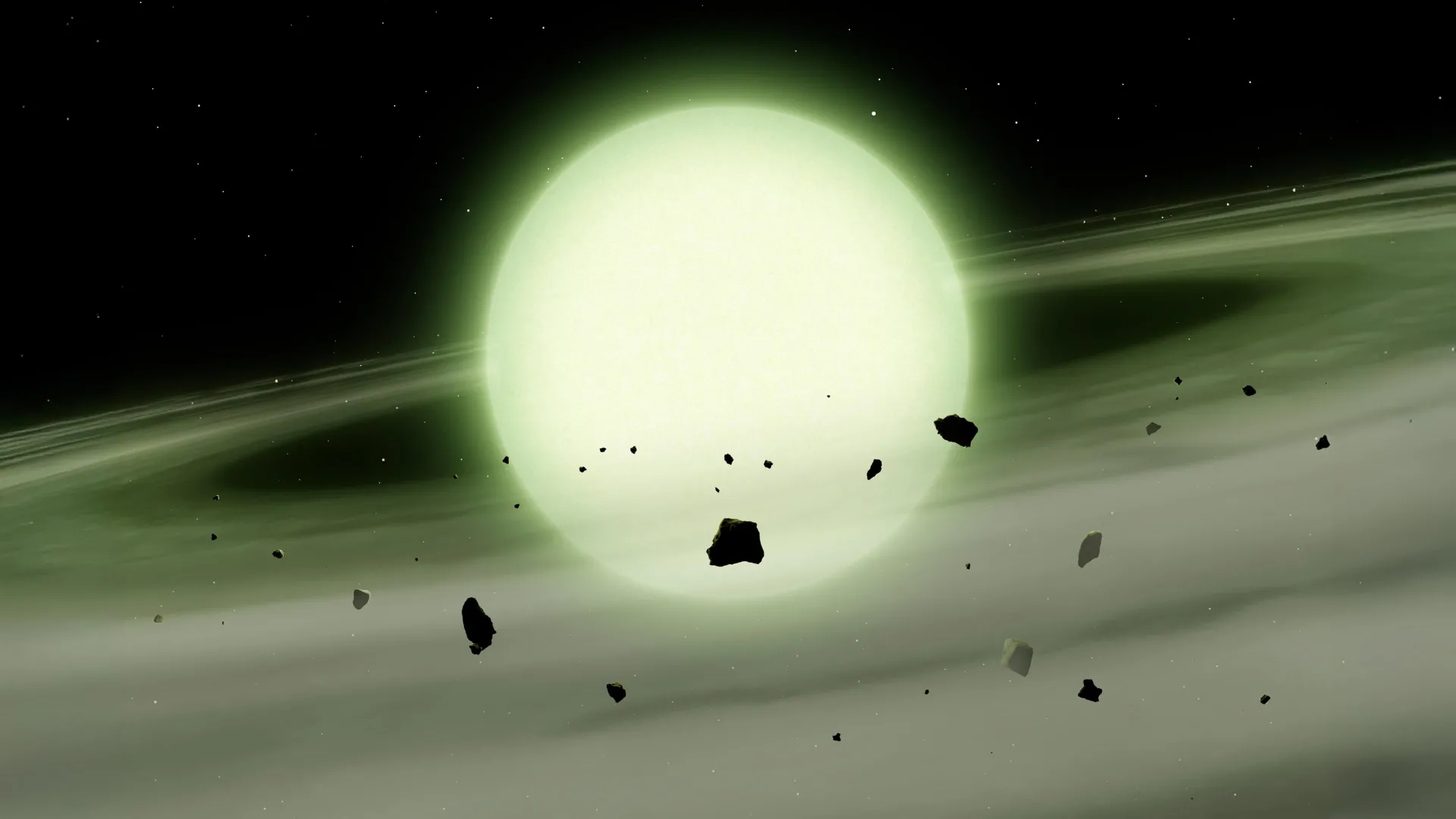
The first properly green star is a white dwarf full of sodium

Posted by Captain Queso on Friday October 23, 2026 @2:44AM in Space and science news
from the it's-not-easy-being-green dept.

Textbooks insist there are no green stars, and for good physical reasons. This one cheats: it swallowed pieces of its old planetary system, and the sodium they left behind soaks up orange light. The survey also found pink and yellow white dwarfs nearby, so the night sky is a little more colourful than advertised.

University of Warwick astronomers report WD J1330+6435, a white dwarf whose atmosphere, polluted with rocky debris, gives it a chartreuse colour. A survey of 151 nearby white dwarfs found a handful of other odd hues, and the team estimates about one in thirty may look noticeably coloured.
Read the rest of this story (ScienceDaily (University of Warwick))

Perseverance passes Opportunity to become the longest-driving off-world rover

Posted by Captain Queso on Friday October 23, 2026 @1:47AM in Space and science news
from the are-we-there-yet dept.

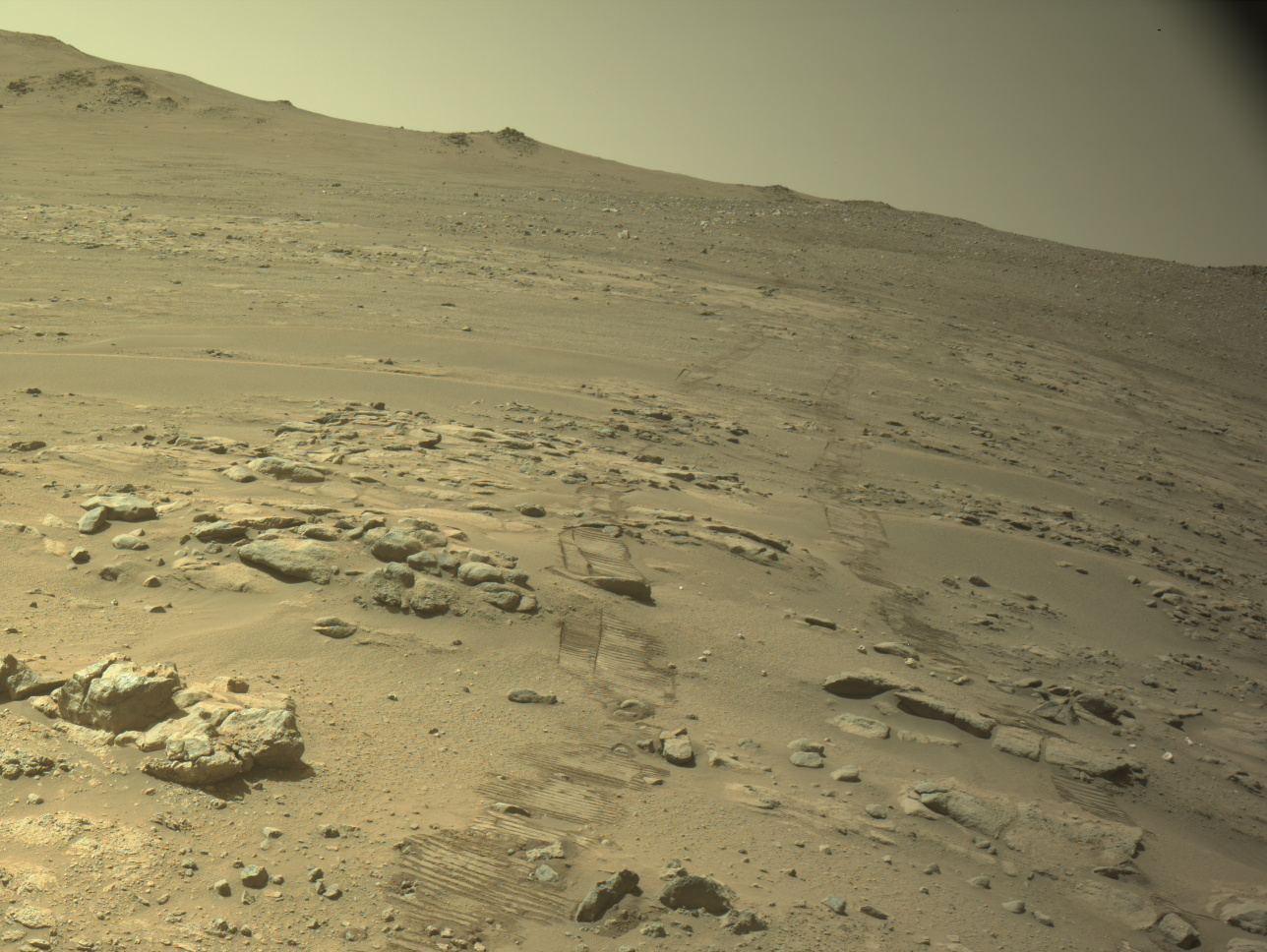
Opportunity's distance record stood as a monument to plucky persistence; Perseverance matched it in about a third of the time. The interesting part is why: the rover drove itself with autonomous navigation for over 90 percent of the trip. A nice milestone for onboard software as much as wheels.

On 11 October the rover's odometer reached about 45.2 km, edging past Opportunity's long-held total. It has also overtaken the Apollo 17 lunar rover and the Soviet Lunokhod 2, and it begins an extended mission running to roughly the end of 2028 with 29 samples collected so far.

A solar storm, a delayed train, and a date that was off by seven years

Posted by Captain Queso on Friday October 23, 2026 @1:43AM in Space and science news
from the wrong-kind-of-sun-on-the-line dept.

A cosy detective story: one of the earliest recorded cases of space weather affecting technology turned out to be dated before the railway in question existed. Physicists checked timetables and magnetometer records like historians, and the case closes neatly.

A 16-minute train delay near Exeter, blamed on telegraph disruption from a geomagnetic storm, was long dated to 1841. Researchers led by Lancaster's Jim Wild found the line did not open until 1846 and place the event in October 1848 instead, with an 1847 Midland Railway report as the earliest credible case.
Read the rest of this story (Lancaster University)

New ghosts turn up beside the Ghosts of Cassiopeia

Posted by Captain Queso on Friday October 23, 2026 @1:16AM in Space and science news
from the who-you-gonna-call dept.

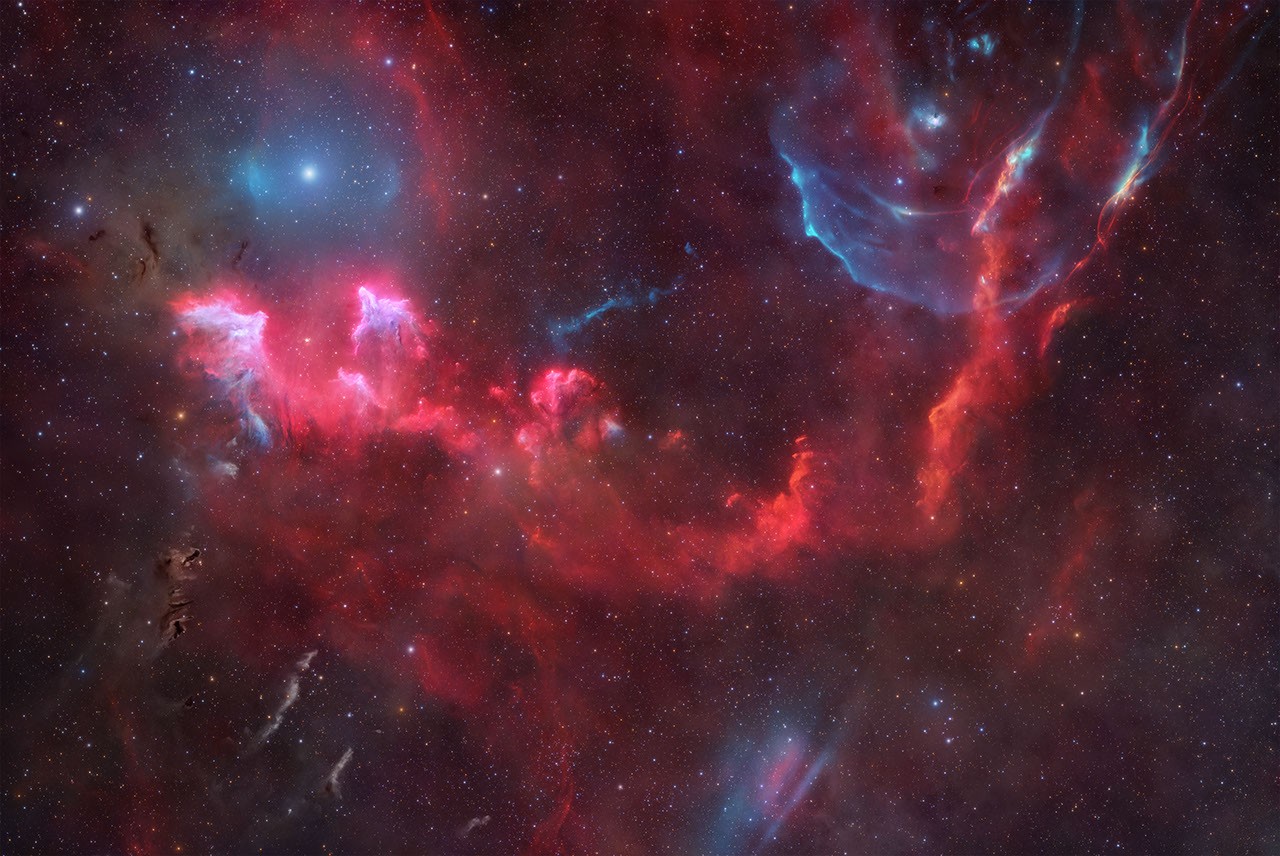
Amateur astronomers pointed a telescope at a well-photographed patch of sky for about a hundred hours and found things nobody had catalogued. Fitting timing for late October. Look for the faint blue wisps; those are the new arrivals.

The 21 October Astronomy Picture of the Day shows the nebulae IC 59 and IC 63 near the bright star Gamma Cassiopeiae, plus three newly spotted faint clouds glowing in ionised oxygen. One may be gas piled up in a bow shock as the star ploughs through space, and another could be a planetary nebula if a white dwarf is found at its centre.